Seminar Series: Do We Still Need to Protect Fish Spawning Grounds?
Many snapper and grouper species travel to specific reefs and ledges along the South Atlantic coast to reproduce. Gathering reproductive-aged fish in a relatively small area makes spawning more efficient, but it also makes the fish more vulnerable. Fishing in these areas can disrupt spawning behavior and have an outsized effect on the future population.
In 2017, the South Atlantic Fishery Management Council (SAFMC) established five Spawning Special Management Zones (SSMZs) to protect these areas. No fishing for or possession of snapper/groupers is allowed in the zones. Two artificial-reef SSMZs were protected permanently, while three remaining natural areas were protected for only 10 years, pending further data collection. As of 2023, though, only limited monitoring had occurred. Council members had little data to inform the SAFMC’s 2027 decision on further protection.
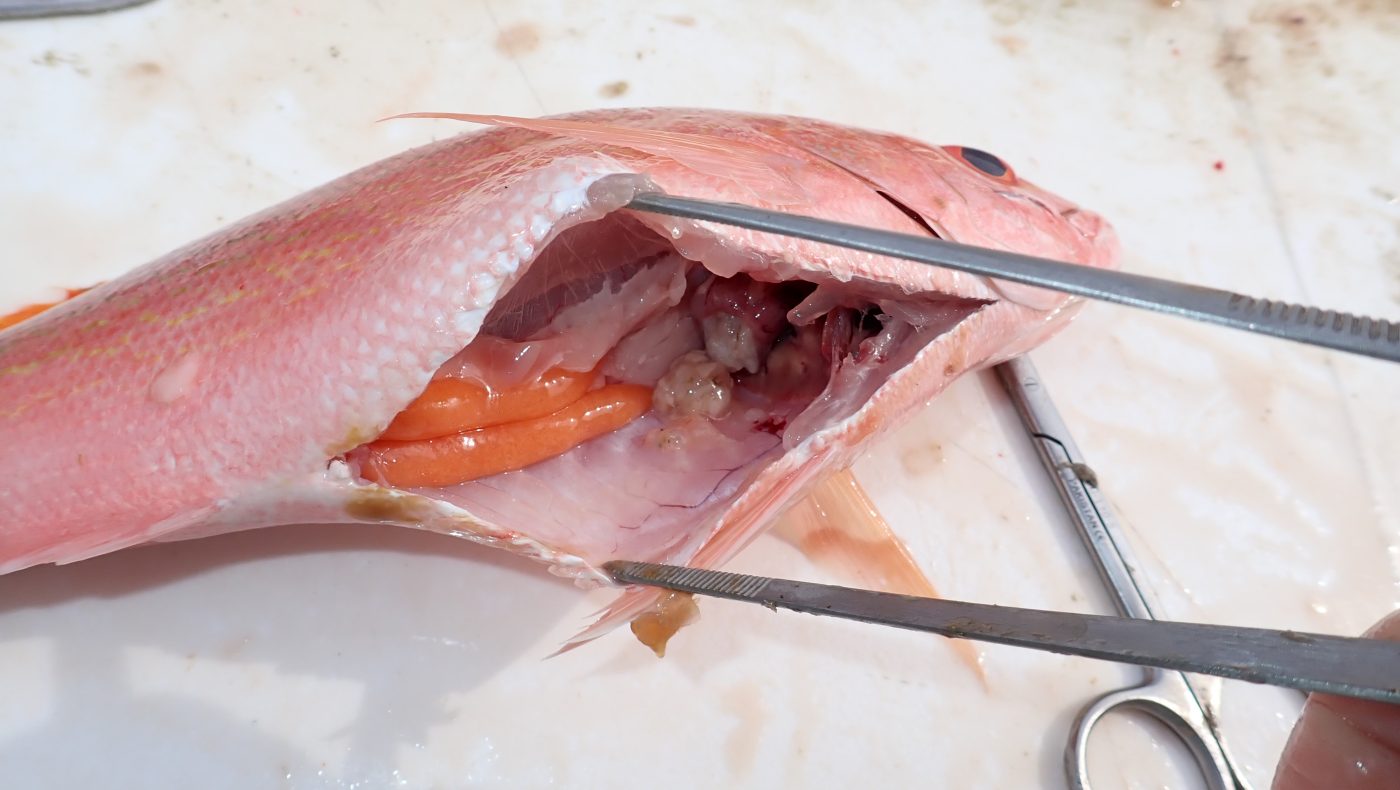
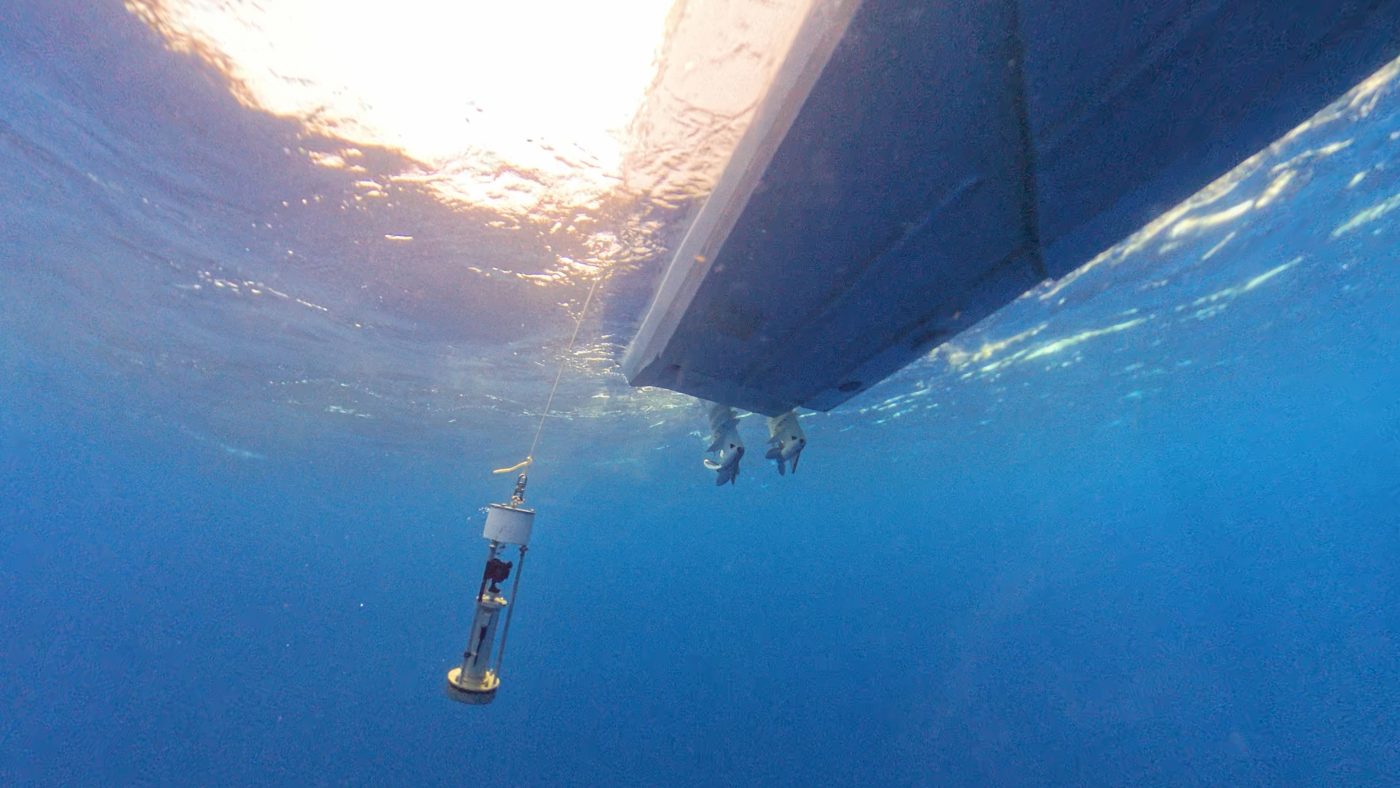
To fill this critical knowledge gap, The Nature Conservancy assembled scientists and anglers to investigate whether priority species were spawning in the three natural-bottom SSMZs. Each SSMZ was visited twice between April 2023 and May 2025. In these limited trips, the team used hook-and-line sampling and underwater video to collect 371 snapper/grouper samples and dozens of hours of underwater video footage. The findings confirmed the presence and spawning of priority species in all three SSMZs.
Presenters
- David Moss, The Nature Conservancy
- Kevin Kolmos, South Carolina Department of Natural Resources
- Lewis Naisbett-Jones, PhD / Peter Mudrak, PhD, LGL Ecological Research Associates