What It Means to Me: Fishermen’s Voices Shaping Tomorrow
SAFMC Feature Article | 2-25-2026
A More Personal Approach
Fishing in the South Atlantic is a passion, a pastime, and a way of life that is important to businesses, families, and coastal communities. Effective management and strong communication are difficult yet essential to sustaining the resource and way of life for future generations. Increasingly, gaps in trust and understanding have made the relationship between managers and stakeholders challenging. Recognizing the need for a more personal and transparent approach, the South Atlantic Fishery Management Council launched the What It Means to Me project, a storytelling initiative designed to elevate the voices of fishermen and strengthen engagement in the management process.
Through short video conversations shared across Council platforms, fishermen from commercial, private recreational, and for-hire sectors share how they got their start, what their fisheries mean to them, and why stewardship matters. By sharing these perspectives, the project aims to increase engagement and participation in the management process, promote best fishing practices, and document authentic stories that show the importance of South Atlantic fisheries. Together, this effort supports greater participation in fisheries management, reinforcing a shared responsibility to sustain South Atlantic fisheries for generations to come.
Lessons from the Water
A consistent theme throughout the project is the deeply personal connection fishermen have with their fisheries. As Captain Chip Berry explains, fishing is more than a hobby or a job: “Once you get it in your blood, you can’t get it out of you.” That connection often fuels a strong desire to pass along both knowledge and responsibility. Berry emphasizes the importance of education on best fishing practices and stewardship, noting that “people need to know about it, be educated on how to do it, and how to pass it on.”
For other participants, involvement in fisheries management came from a desire to better understand decisions that affect their livelihoods. Captain Chris Kimrey shared that he wanted to move beyond secondhand information and speculation: “Instead of hearing stuff through the rumor mill, I wanted to know what happened and why it happened.” What he discovered was a process more nuanced and engaging than he expected. “I enjoy the meetings, I enjoy the people, I enjoy learning what I learn.” His advice to fellow fishermen is straightforward: “If you don’t like what you see, don’t complain about it, get involved.”
Former Council member Tim Griner echoed the importance of engagement, calling fisheries management “one of the greatest sustainable processes to manage fisheries in the world,” while acknowledging that it only works with participation. “It’s a difficult process, but it is an open and transparent process,” he said. For Griner, long-term sustainability depends on continuous involvement: “If you want to have a fishery in the future… you have to be involved, engaged, and engaged continuously.”

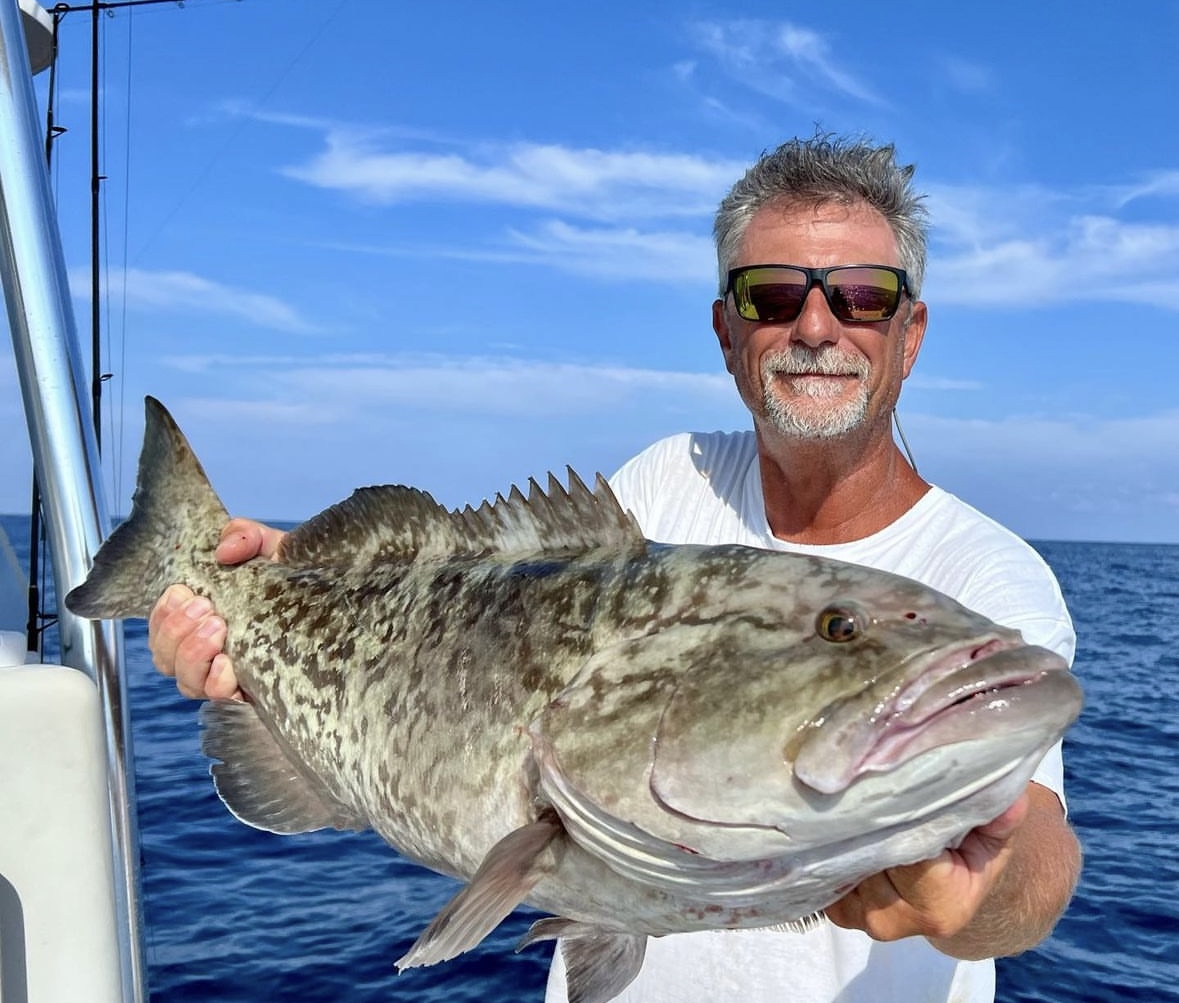
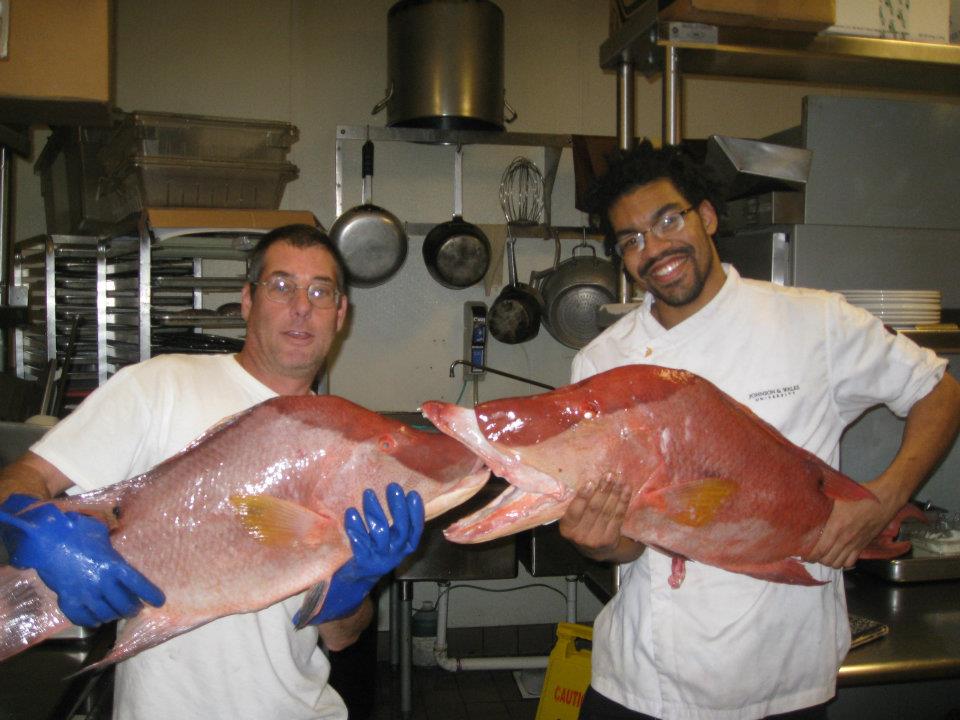
Captain Mark Phelps also shared his observations on public engagement, stating that “there are forums where the public can come speak. Unfortunately, having gone to several of those, the turnout is very low.” Drawing a parallel to civic responsibility, Phelps added, “If you’re frustrated with the fishery, and you don’t show up for public comment, it’s like you’re upset with an election that you didn’t vote in.”
Council Member Robert Spottswood Jr. was surprised by how few fishermen participate in the management process. “One of the things that surprised me the most about the process is the lack of participation,” he said. He believes proactive management is essential, noting that “we need more tools in our tool belt to be proactive in fisheries management.” His advice to future generations is rooted in stewardship: “Just take what you need and be thoughtful.”
For younger fishermen, the process may seem intimidating at first. Headboat owner and operator Haley Stephens emphasized that getting involved is more accessible than many realize. “Becoming involved is easier than ever before… it’s intimidating at first, but within minutes, you’ll realize everyone is there for the same reason,” she said. Stephens is an advocate for best fishing practices, explaining that “best fishing practices work and it’s one of the best things that could have happened to our South Atlantic snapper grouper fishery.” When asked what fishing means to her, her answer was simple and heartfelt: “What it means to me is everything.”


One Conversation at a Time
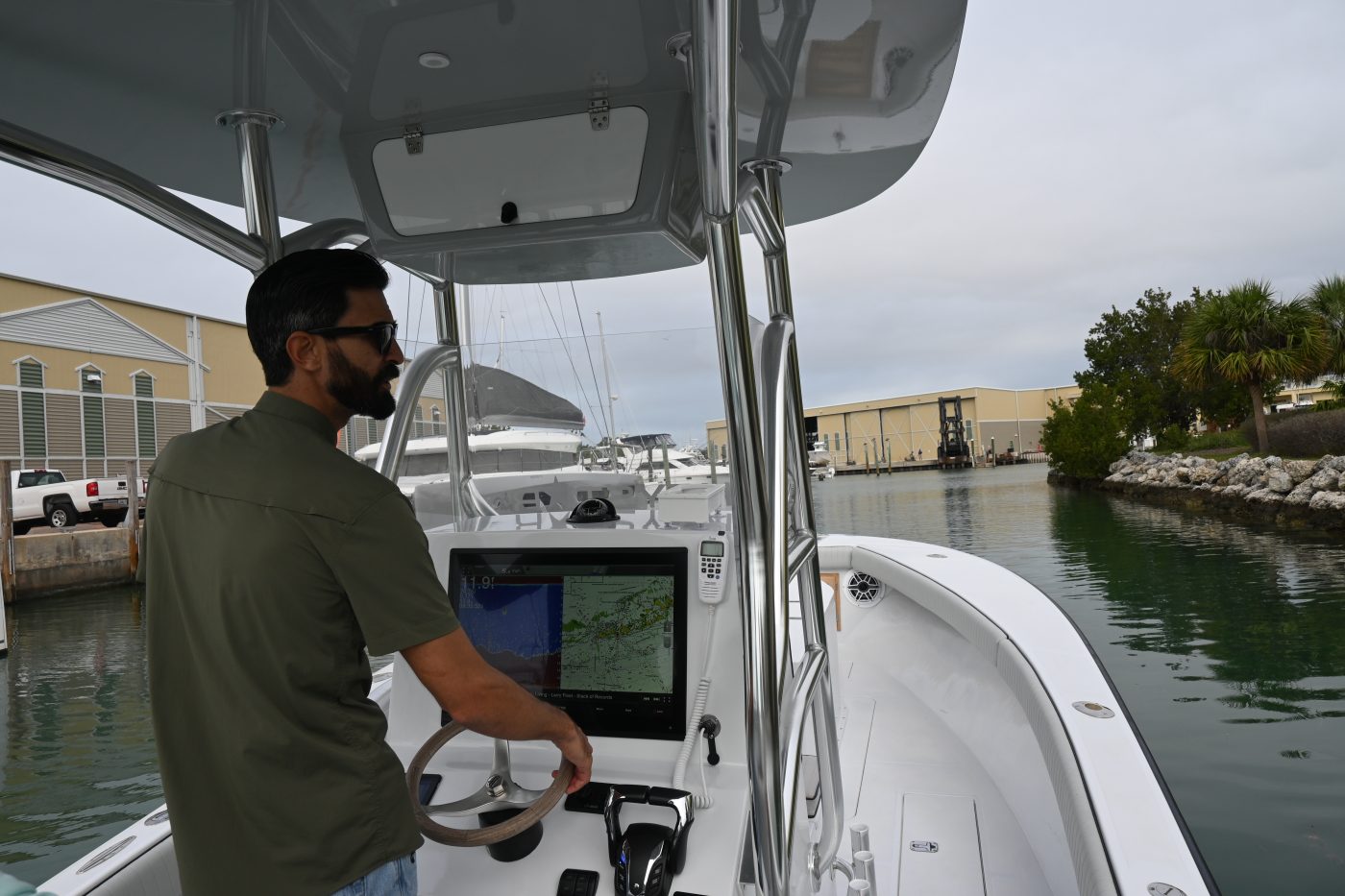
The What It Means to Me project shows that trust is built one conversation at a time. By highlighting fishermen’s experiences, values, and voices, the project helps foster understanding, encourages participation in the management process, and supports a shared goal: sustainable fisheries that endure for generations to come. We sincerely thank the fishermen who took the time out of their busy days to sit with us and share their stories. Learn more about the project and find each fisherman’s video here: https://safmc.net/what-it-means-to-me-video-project/