The SAFMC Citizen Science Program: Powered by People
SAFMC Feature Article | 7-1-2026
A Common Challenge
For decades, fisheries managers have faced a common challenge: making decisions with limited resources and information. Traditional sampling provides critical data for management, but developing a holistic understanding of our fisheries can be complex, expensive, and resource-intensive. All the while, fishermen across the South Atlantic region have consistently expressed a desire to contribute their knowledge and experiences to the process.
The South Atlantic Fishery Management Council (SAFMC) recognized an opportunity. What if fishermen could become more engaged in collecting information for fisheries science and management?
The question sparked an innovative effort that would become the Council’s Citizen Science Program, the first and currently only citizen science program developed by a regional fishery management council. Today, the Program is bringing fishermen, scientists, and managers together to improve information for fisheries management through collaborative science.
A Shared Vision for Citizen Science
The idea for a Citizen Science Program emerged in 2015 as Council members and staff explored new ways to address long-standing research and data needs. Among the early champions of the concept were Council Members Ben Hartig and Dr. Michelle Duval, who saw citizen science as a strategy to both strengthen fisheries science and increase community involvement.
“Attending many stock assessments, it was apparent that a very minimal number of samples were being used to assess some of our most important species,” recalled Hartig. “I was excited about developing a Citizen Science Program as a way to increase our length and age sampling,” while also “having fishermen become partners in the data collection process and increasing education and investment in fisheries within our fisheries communities.”
A collaborative program is best when designed by the very people who will contribute to it in the future. In 2016, more than 60 participants, including commercial, recreational, and for-hire fishermen, scientists, managers, Sea Grant staff, academic researchers, and citizen science practitioners, gathered in Charleston, South Carolina, to design the Program together. The workshop produced a blueprint that would guide development of the Program and ensure that it reflected the needs and perspectives of the South Atlantic fishing community.
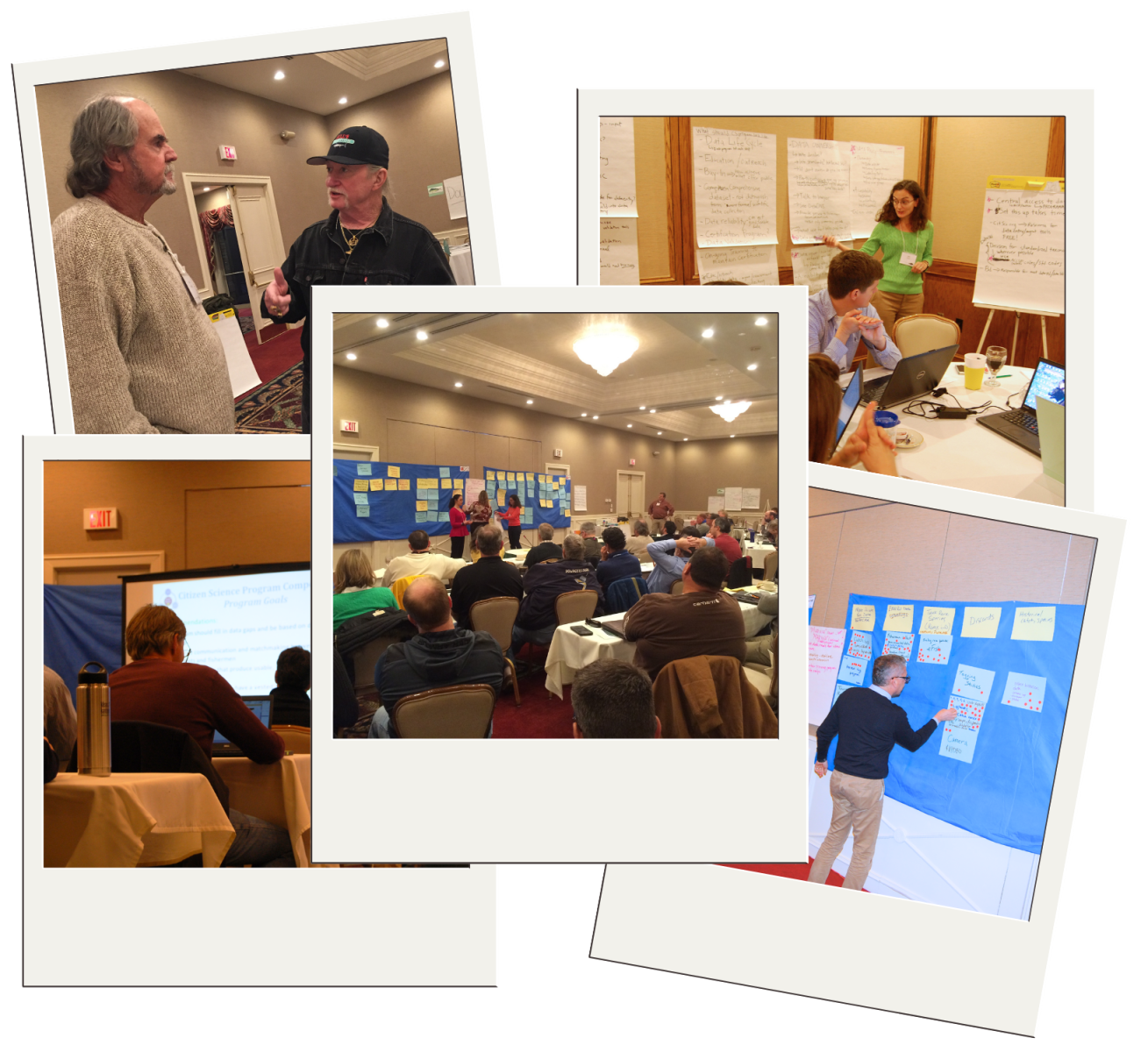
Over the next two years, more than 50 stakeholders representing diverse sectors of the fisheries community helped build the Program’s framework, policies, and project development process. The Program was founded on collaboration, transparency, and a shared commitment to improving fisheries information. The vision developed through that process continues to guide the Program today: “Advancing science and increasing trust, one project at a time.”
Ideas into Action
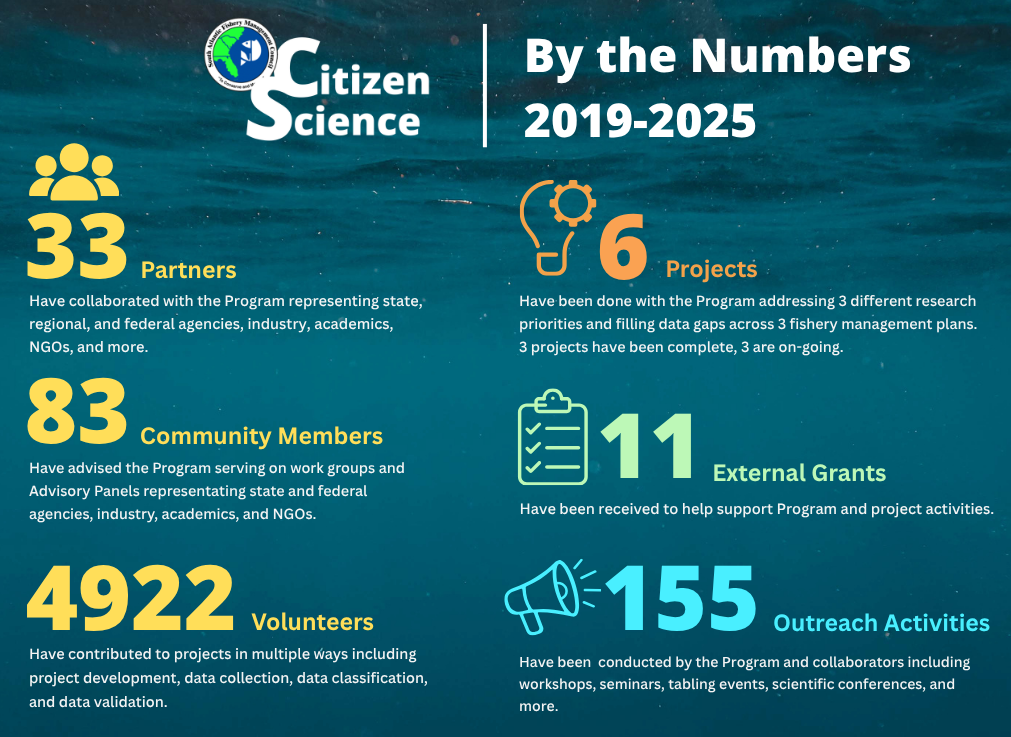
Since its launch, the Citizen Science Program has grown from an idea into a network of projects, partnerships, and volunteers working together to address real-world fisheries research needs across the South Atlantic.
The Program has developed multiple, diverse projects focused on Council research priorities, including SAFMC Release, FISHstory, and the REEF-led SMILE Project. Each project was designed to address specific data gaps identified by fishermen, scientists, and managers and has been powered by more than 4,800 volunteers.
The data collected through the Program’s projects have been useful in science and management. For example, Red Snapper length data collected through SAFMC Release and FISHstory were recommended for use in the SEDAR 90 stock assessment (South Atlantic Red Snapper) by the Data Workshop Panel. These milestones represent a step toward one of the Program’s founding goals: producing information that is robust, accessible, and useful for management decisions.
The People Behind the Program
From the very beginning, the Citizen Science Program has benefited from the support and guidance of so many people. While the projects themselves are important, it is the people behind them who make the Program possible.
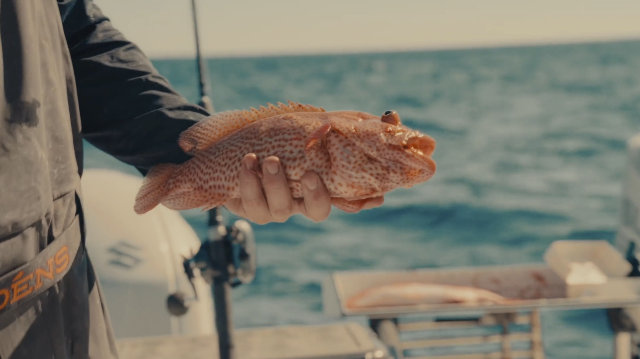
SAFMC Release depends on the participation of fishermen who voluntarily record information about the shallow water grouper and red snapper they release. Their contributions provide information that would be difficult to obtain through traditional sampling alone. Just as importantly, they bring decades of on-the-water experience to the scientific process. Participants such as Captain Matt Simon, Jake Harmon, and Nigel Bowers recently shared why they chose to get involved and why they believe the information collected through the project is important for the future of South Atlantic fisheries.
The FISHstory Project began with Rusty Hudson, a third-generation Florida fisherman who preserved more than 1,370 photographs documenting decades of his family’s for-hire fishing trips. Rusty recognized that these photographs represented more than family memories; they captured valuable historical data during a time when recreational catch monitoring was limited or just beginning. With support from NOAA Fisheries scientist Ken Brennan, Council staff member Amber Von Harten, and the collaborative framework of the Citizen Science Program, those photographs became the foundation of FISHstory. To date, nearly 2,000 photographs have been analyzed through the efforts of volunteers who have contributed their time and expertise.
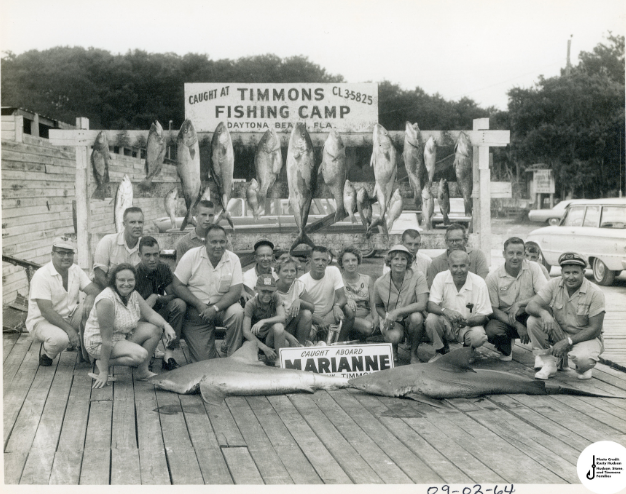
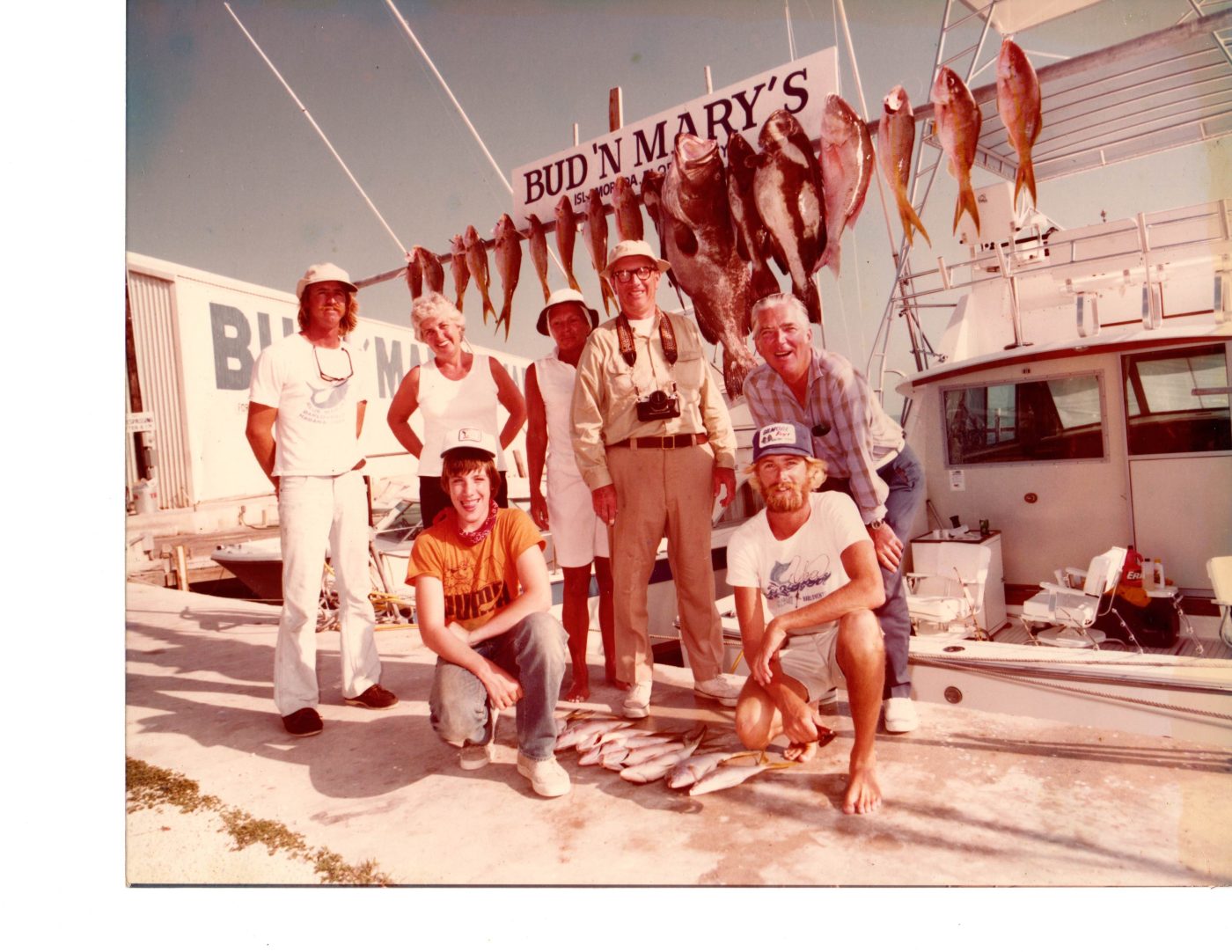
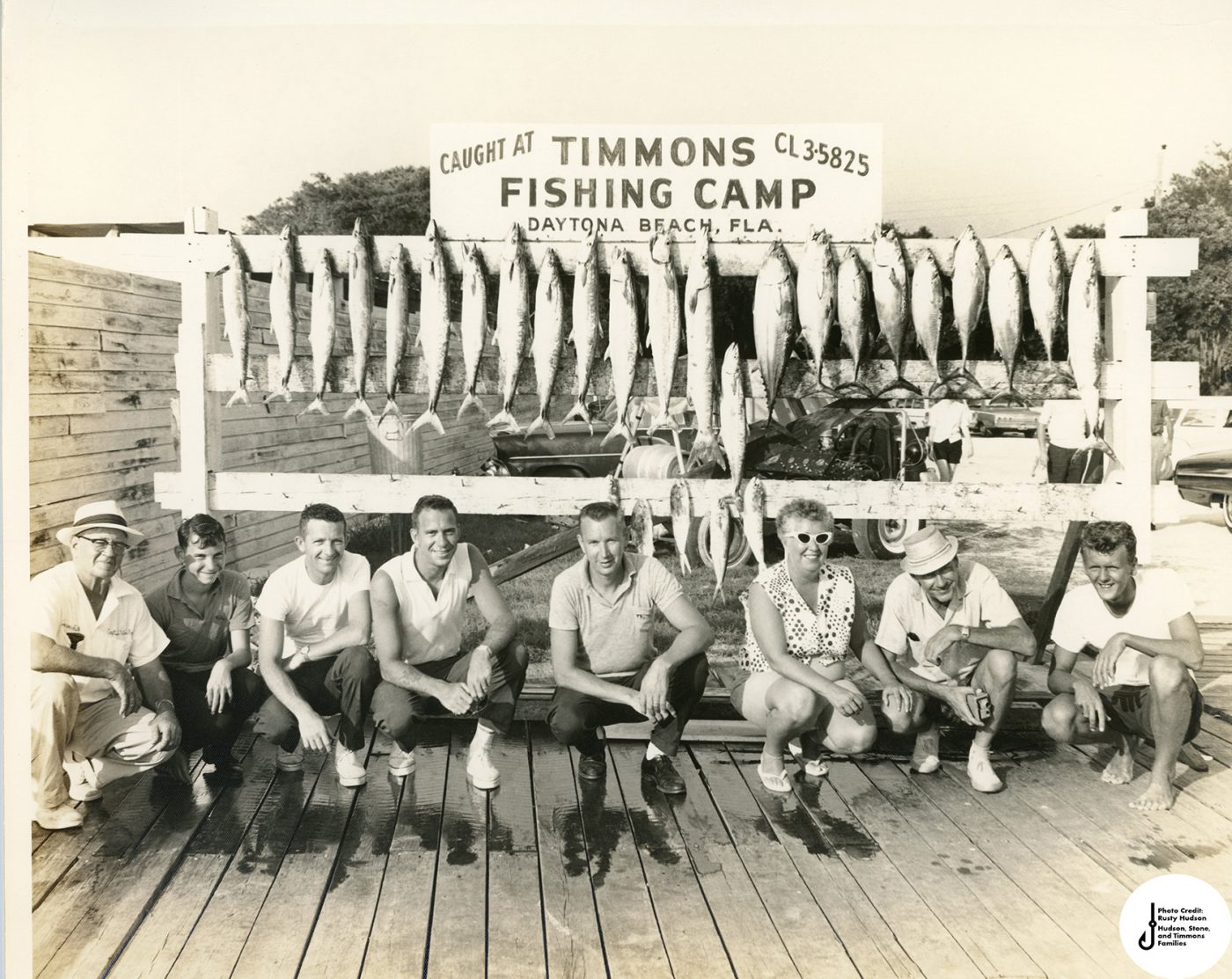
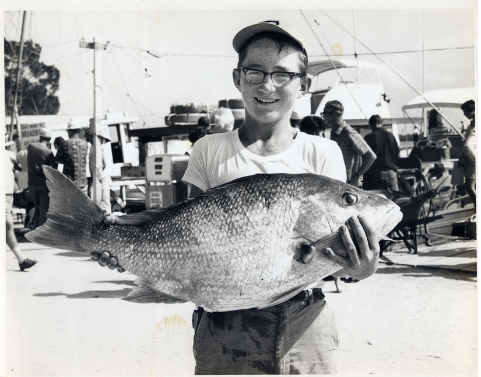
Some of the historic fishing photos shared with the FISHstory project. Photo Credits: Rusty Hudson & Hudson, Timmons, & Stone families.
These stories represent just a small sample of the people who have shaped the Citizen Science Program over the past decade. The Program’s greatest strength is the community of people committed to advancing science and being a part of the fisheries management process.
Moving Forward
Nearly a decade after its inception, the Citizen Science Program continues to evolve. Council Member Amy Dukes highlights this in saying, “I’ve had the opportunity to watch the Citizen Science Program grow from an idea into a successful initiative making a direct impact in the South Atlantic. It’s been inspiring to see so many fishermen, scientists, and partners contribute to the Program’s value along the way. I’m proud of what we’ve accomplished together under the leadership of Council staff, Julia Byrd and Meg Withers, and am excited to see where the Program goes next.” The Council remains committed to developing projects that address priority data gaps, support fisheries science, and strengthen collaboration among fishermen, scientists, and managers.