June Council Meeting Addresses Commercial Management, Headboats, Black Sea Bass, and Dolphin
The South Atlantic Fishery Management Council met June 8-12, 2026, in St. Augustine, Florida. Below are some of the notable topics that were covered throughout the week.
During the first Full Council session, members received a series of reports and updates. Among the updates was a presentation by NOAA Fisheries’ Marine Recreational Information Program (MRIP) on the newly announced Recreational Angler Partnership Improvement Directive (RAPID), a national initiative to modernize recreational fishing data collection through stronger collaboration among NOAA Fisheries, states, and regional partners.
Commercial Management Measures (Amendment 60)
On Tuesday, the Council continued development of Amendment 60, which addresses commercial management measures in the snapper grouper fishery. The amendment is intended to increase flexibility and adaptability in the commercial sector by revising permit accessibility, trip limits, and bottom longline gear stowage requirements to allow fishermen to switch to or from bottom longline gear during a trip. The amendment also considers changes to the commercial snapper grouper (SG1) permit program, including eliminating the current “2-for-1” permit requirement, increasing trip limits for several species, and requiring that all snapper grouper harvested on vessels with commercial SG permits be sold.
The Council reviewed additional trip limit analyses conducted by NOAA Fisheries Southeast Regional Office (SERO), selected preferred alternatives for several actions, and approved the amendment for public hearings. Public hearings will be held in August 2026 and during the Council’s September 2026 meeting in North Charleston, South Carolina. Feedback received during the public comment period will be used to further refine the amendment before the Council takes final action, so if you are interested, be sure to provide your comment during this period.
Headboat Vessel Limits
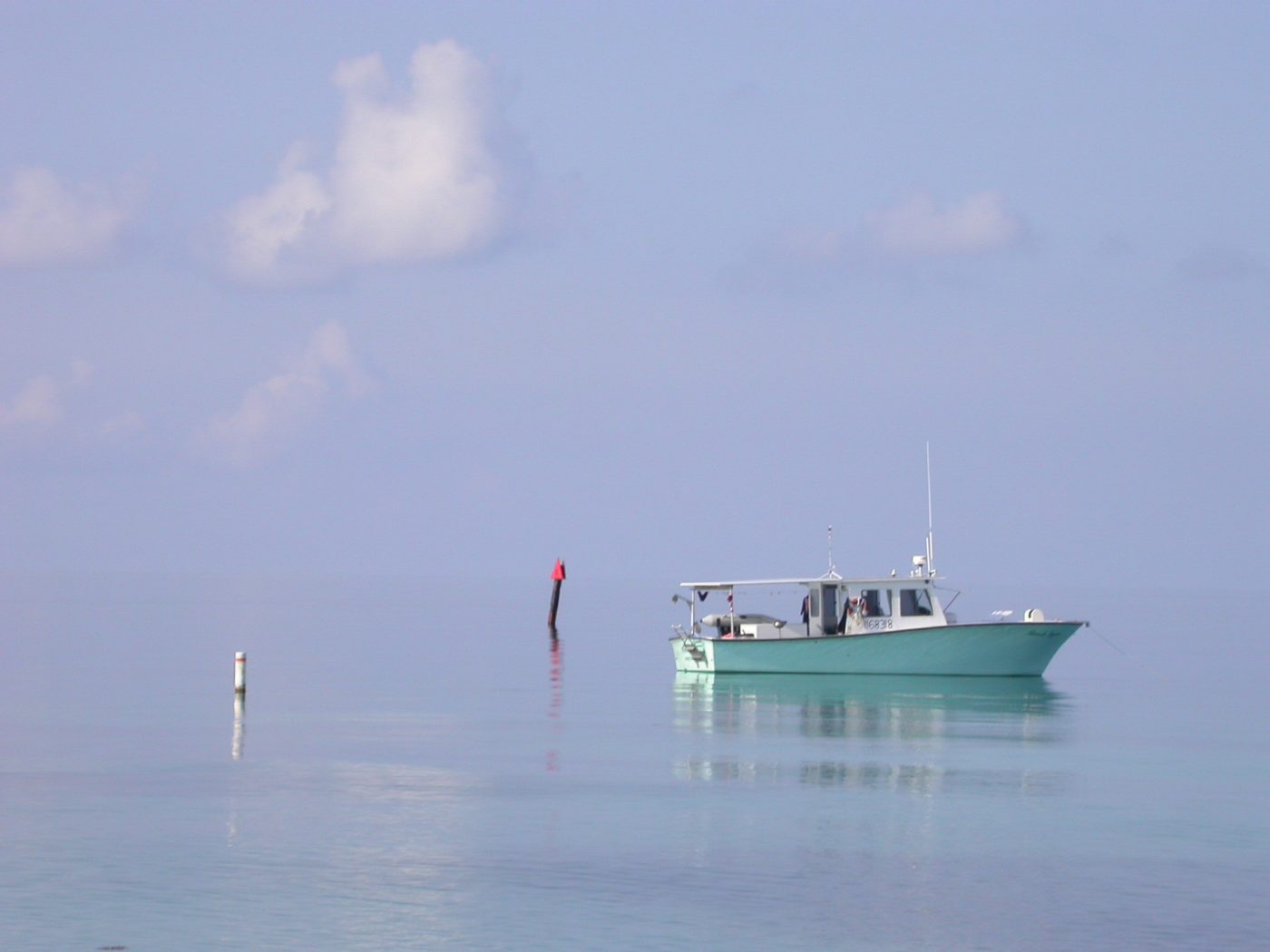
The Council continued discussions on measures intended to address the needs of the South Atlantic headboat fleet by adjusting possession limits for vessels that carry large numbers of passengers. Under regulations that will go into effect soon, being considered through Snapper Grouper Regulatory Amendment 36, a vessel carrying 40 passengers would be subject to the same vessel limit for gag and black grouper as a vessel carrying six passengers. To address this issue, the Council is evaluating a six-passenger-based vessel limit that would allow federally permitted headboats to retain additional gag and black grouper.
After further deliberation, the Council decided to continue looking at a “per six passengers” vessel limit for gag and black grouper. However, the Council removed scamp and yellowmouth grouper from further consideration after learning that a vessel limit for those species would be more restrictive than the current per-person bag limit. The amendment will return for further discussion in September, with the Council expected to approve it for public hearings in December 2026.

Snapper Grouper Fishery Management Unit Revision (Amendment 61)
On Wednesday, the Council proceeded with work on Snapper Grouper Amendment 61, which would reduce the number of species included in the Snapper Grouper Fishery Management Unit (FMU). The Council is evaluating a subset of species to determine whether they continue to require federal conservation and management under the Magnuson-Stevens Act. Potential changes include removing species from the FMU or designating them as Ecosystem Component (EC) species, which remain in the Fishery Management Plan to support ecosystem management goals but are not subject to management measures such as annual catch limits.
The Council reviewed feedback from the Snapper Grouper Advisory Panel (AP) and an updated decision document. The Council clarified its intent to maintain permitting requirements for EC species to support data collection, bycatch monitoring, and habitat protections in the multi-species snapper grouper fishery. The Council also removed a proposed aggregate commercial trip limit for EC species while still considering a separate recreational aggregate bag limit. The amendment is on the agenda for September, with the Council expected to approve it for public hearings in December 2026.

Spawning Special Management Zones
The Council discussed three Spawning Special Management Zones (SSMZs) established to protect important spawning areas for snapper grouper species. While five SSMZs were created in 2017, regulations for three natural-bottom sites (South Cape Lookout, Georgetown Hole/Devils Hole, and Warsaw Hole) are scheduled to expire in August 2027 unless further action is taken. Through Regulatory Amendment 39, the Council will consider extending the sunset provision from 7 to 20 years or removing it entirely, making the protections permanent. The Council will continue reviewing this amendment at its next meeting and public hearings, which will likely be held this fall.
Changes to Seasonal Closures for Black Sea Bass Pots
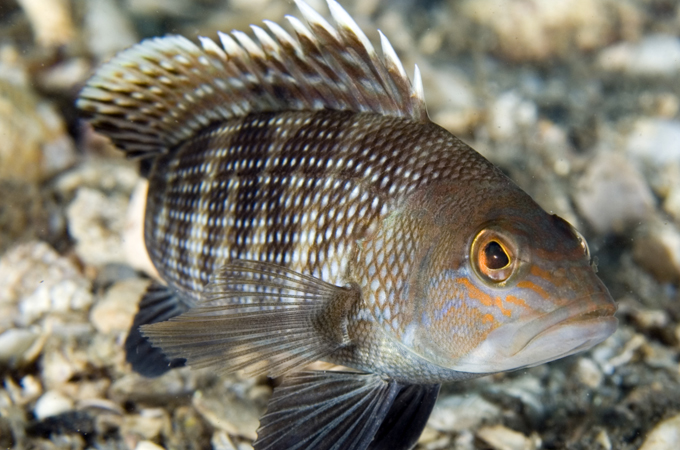
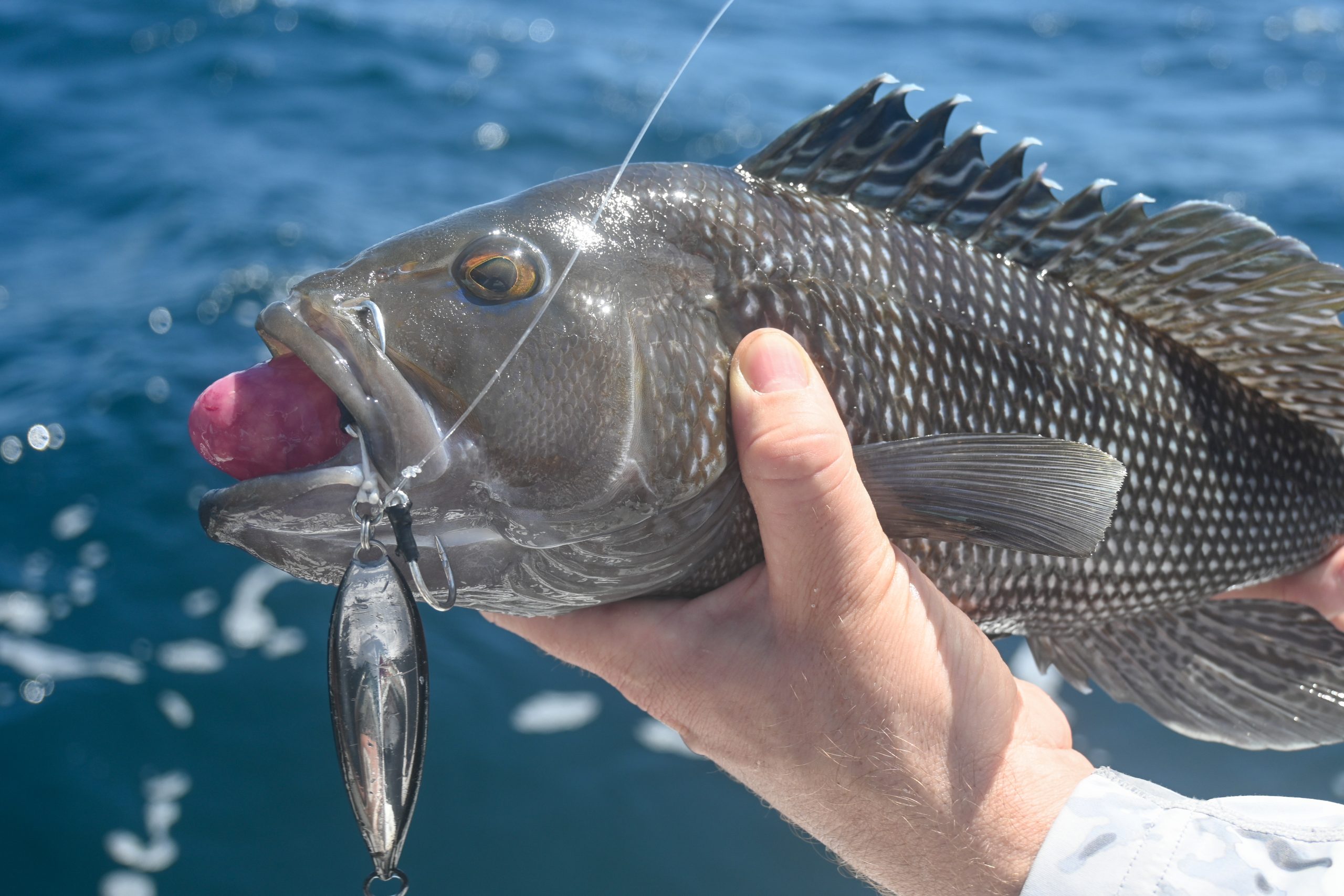
The Council advanced Snapper Grouper Regulatory Amendment 40, which would allow the black sea bass pots equipped with on-demand retrieval systems to be fished inside seasonal closed areas currently in place to protect North Atlantic right whales and other marine mammals from entanglement in vertical fishing lines. On-demand retrieval systems keep buoy lines stowed at depth and only deploy them “on-demand” when fishermen return to retrieve their gear. The Council also considered reducing the trip limit for black sea bass pot gear in anticipation of lower catch limits soon to go into effect, but removed the measure after receiving opposition from advisors and the public who cited concerns about trip profitability. Additional changes to black sea bass management are expected to be addressed through Snapper Grouper Amendment 56 following completion of the upcoming stock assessment.
Dolphin Management
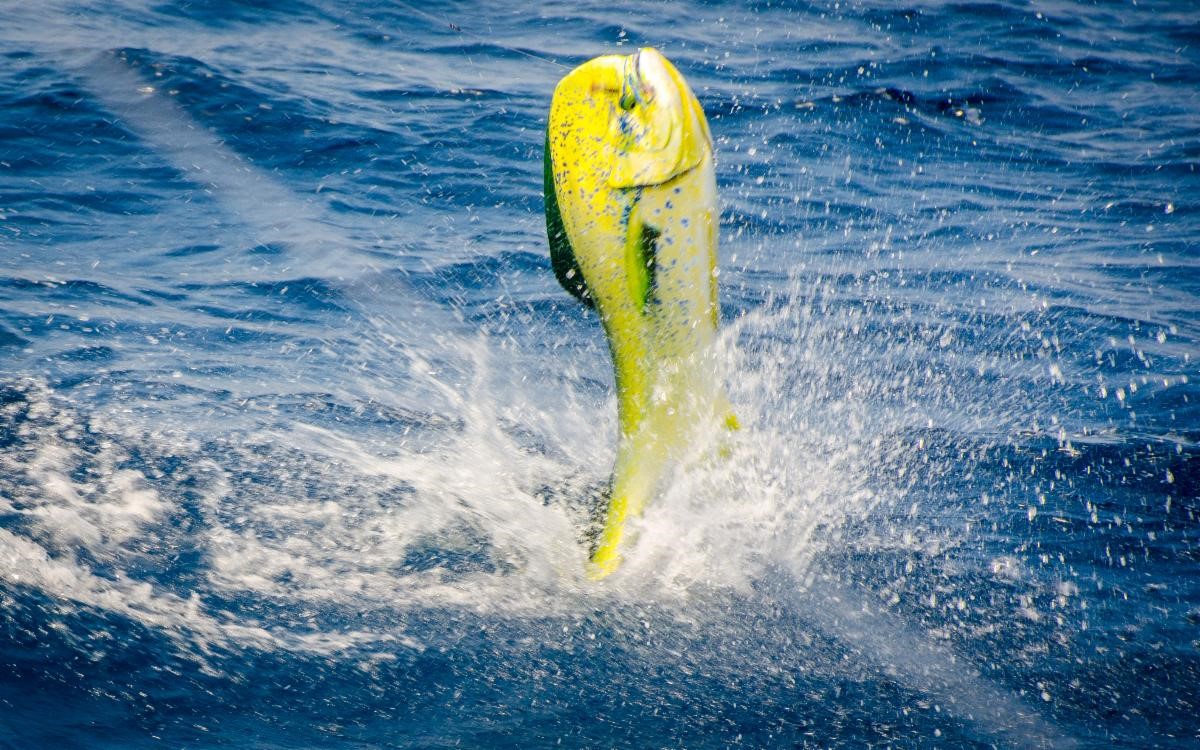
On Thursday, the Council received an update on the ongoing Dolphin Management Strategy Evaluation (MSE), a tool designed to test potential management strategies before they are implemented in a fishery. The Council reviewed recent modeling results from the Southeast Fisheries Science Center and provided feedback on management scenarios that could be evaluated through the MSE, including measures previously considered in Dolphin Wahoo Regulatory Amendment 3, such as changes to the minimum size limit and recreational retention limits for dolphin.
Following the discussion, the Council voted to discontinue work on Regulatory Amendment 3. Council members noted that preliminary MSE results indicated the dolphin stock remains at a healthy biomass level and that the management measures under consideration were not expected to result in declines in spawning stock biomass. The Southeast Fisheries Science Center will continue developing and refining the MSE, which may serve as a tool for evaluating future management options in the dolphin fishery.